Waterfalls are sorted into types by how the water moves over the rock: whether it leaps clear, clings to the face, breaks into steps or spreads into a sheet. The names below are the ones used by the World Waterfall Database and the U.S. Geological Survey, and they are the same labels you will find on every waterfall page and in the type filter of the catalogue.
A single fall often fits two types at once, a tiered fall whose top drop is a plunge and whose lower one is a horsetail, for example, and it is listed under both. The photos are of real waterfalls from the catalogue; click one to open its page.
Two or more distinct drops in a row, each with its own base. A tiered waterfall drops in two or more distinct steps, each with its own base or pool, so the water pauses before it falls again. The tiers may be a few feet apart or separated by a long run of rapids; what matters is that each drop is a fall in its own right. It is the most common type in the catalogue, with 1,491 entries, and the tallest falls in the country belong here: Yosemite Falls drops 2,425 feet in three tiers, and Multnomah Falls in Oregon falls 635 feet in two. Washington and North Carolina have the most tiered falls. On the card the total height counts every tier; the tallest single drop and the number of drops are listed underneath so you can tell a single great leap from a staircase of small ones. Examples: Colonial Creek Falls 2,568 ft · Yosemite Falls 2,425 ft · East Snow Mountain Falls 2,200 ft The water keeps contact with the rock as it falls down a steep face. A horsetail waterfall keeps contact with the rock for most of its descent. The water spreads and streaks down a steep face rather than leaping clear of it, which gives the fall its resemblance to a horse's tail. Horsetails form on hard, smooth rock at a steep but not vertical angle, and they change character with the season: a thin veil in late summer, a roaring sheet after snowmelt. The catalogue lists 881 horsetail falls, nearly half of them in Washington, with Oregon second. Wapama Falls in Hetch Hetchy and Widow's Tears in Yosemite are classic examples; many falls that are tiered or segmented also carry the horsetail label because that is how each individual drop behaves. Examples: Louis Creek Falls 1,720 ft · Widow's Tears 1,680 ft · Torment Falls 1,440 ft The water drops vertically and loses contact with the rock face. A plunge waterfall drops vertically and loses contact with the rock face behind it, so the water falls freely through the air. Plunges form where a hard cap rock overhangs softer layers that have eroded away underneath, often leaving a cave or alcove behind the curtain of water. They are the most dramatic type to stand beneath and the easiest to recognise. The catalogue has 747 plunge falls, led by Washington and Oregon. The upper drop of Yosemite Falls is a plunge of 1,430 feet, and Ribbon Fall next to it drops 1,612 feet in one leap, though it runs only in spring. Plunge falls are usually measured precisely because the single drop is easy to survey, so most entries here carry a height. Examples: Yosemite Falls 2,425 ft · Ribbon Fall 1,612 ft · Drury Falls 1,267 ft The water tumbles down a series of rock steps rather than in one drop. A cascade tumbles down a series of rock steps or a rough slope rather than falling in one clean drop. The water stays broken and white the whole way, which makes cascades the type you hear before you see. Because a cascade can stretch over a long stream section, total heights can be large even where no single step is tall: Colonial Creek Falls in Washington is recorded at 2,568 feet over a long cascading course, the greatest total height in the catalogue. There are 688 cascades listed, most of them in Washington and New Hampshire, where glacial valleys leave long, steep creek beds. Many are also tagged as tiered or horsetail, since those terms describe the parts while cascade describes the whole. Examples: Colonial Creek Falls 2,568 ft · Johannesburg Falls 2,465 ft · Cloudcap Falls 2,400 ft Wider than it is tall: a sheet of water over a broad ledge. A block waterfall is wider than it is tall: the river pours over a broad, straight ledge in a single sheet. Blocks form where a wide river crosses a resistant rock layer, so they are typical of big rivers in flat or gently rolling country rather than mountain creeks. Niagara Falls is the best known block fall in the United States; Burgess Falls in Tennessee and Koosah Falls on Oregon's McKenzie River are smaller examples of the same shape. The catalogue lists 219 block falls, with Tennessee and Michigan leading. Their heights are modest, usually 20 to 150 feet, but their volume is often the largest of any type, and they tend to sit close to towns, roads and state parks. Examples: Niagara Falls 167 ft · Middle Genesee Falls 107 ft · Burgess Falls 101 ft The flow splits into two or more separate streams as it falls. A segmented waterfall splits into two or more separate streams as it drops, divided by rock outcrops or islands at the crest. The segments may rejoin in the pool below or stay apart the whole way down; in low water one segment often dries up while the other keeps running. The catalogue has 206 segmented falls, three quarters of them in Washington and Oregon, where wide alpine benches split snowmelt streams. Roush Creek Falls and Pumpelly Basin Falls in the North Cascades and Glacier country are tall examples; the many falls called Twin Falls across the country are almost always segmented. Height is recorded for the tallest segment, and the number of segments is not tracked, so check the photos for the shape. Examples: Roush Creek Falls 2,000 ft · Pumpelly Basin Falls 1,075 ft · Horseshoe Basin Falls 930 ft The water glides down a smooth, sloping rock face. A slide waterfall glides down a smooth, sloping rock face without breaking into white water, more like a chute than a fall. Slides form on hard, polished stone, typically granite or sandstone worn flat by ice or by the river itself, at an angle too shallow for a plunge. North Carolina has the most slides in the catalogue, followed by Washington, and many of them are the swimming spots that give the type its reputation. Otter Falls and Chain Cascade in Washington and Depot Creek Falls are the tallest listed. Slides are the type most often described in reviews as a place to swim, so read the visitor notes on each page before you go: the same smooth rock that makes a slide is slippery when wet. Examples: Otter Falls 1,200 ft · Chain Cascade 1,150 ft · Depot Creek Falls 948 ft A thin film of water spreading over the rock face. A veiling waterfall spreads a thin film of water across a wide, steep rock face, so the stone shows through the flow. It is a horsetail with very little water for its width, and it is the type that changes most with the season: full and white for a few weeks after snowmelt, a lace of trickles by late summer, sometimes dry. Yosemite has several: Nevada Fall, Illilouette Fall and Royal Arch Cascade are all listed here, and Feather Falls in the Sierra foothills is another. The catalogue lists 109 veiling falls, most of them in Washington and Oregon. Reviews are the best guide to timing, because a veiling fall seen in May and in September can look like two different places. Examples: Royal Arch Cascade 1,275 ft · Hetch Hetchy Falls 750 ft · Crown Point Falls 635 ft Narrow at the top and spreading wide on the way down, always touching the rock. A fan waterfall starts narrow at the crest and spreads wider as it descends, keeping contact with the rock all the way down, so the water forms a triangle. Fans form where a fall lands on a sloping apron of rock below a narrow notch. Ouzel Falls in Rocky Mountain National Park and Gibbon Falls in Yellowstone are well known fans, and the catalogue lists 105 in all, with Tennessee and New Hampshire having the most. Fans are usually modest in height and easy to photograph from the base because the spread of the water fills the frame. Many are labelled cascade or horsetail as well, since the fan shape describes the outline rather than the way the water moves. Examples: Ouzel Falls 235 ft · Rainbow Falls 130 ft · Crabtree Falls 120 ft An artificial fall over a dam or weir. The dam category holds falls over an artificial structure: a dam, weir, spillway or mill race, and natural falls whose crest now carries a dam or a power intake, such as Snoqualmie Falls in Washington. They are kept in the catalogue because the survey names them, people visit them and they are often the most accessible falls near a town. New York leads with 34, a legacy of mills along its rivers, followed by Kansas. The height given is the drop of the water as it stands today, not the natural fall that may have existed before the dam. Some of these sites are private or fenced; the reviews on each page say which ones can be seen from a road or a park. Examples: Burton Creek Falls 300 ft · Carver Falls 126 ft · Chasm Falls 125 ft A narrow stream drops into a wide pool at the base. A punchbowl waterfall drops through a narrow notch into a wide, round pool worn into the rock at its base. The type takes its name from Punch Bowl Falls on Eagle Creek in Oregon, where a compact fall lands in a bowl far wider than the stream. Punchbowls form in narrow gorges where a fall keeps eroding the plunge pool while the walls hold their shape. Metlako Falls on the same creek, Upper Yellowstone Falls and Cane Creek Falls in Tennessee are in the catalogue, which lists 88 punchbowls, most of them in Washington and Tennessee. The pools are the attraction: deep, still and cold, they are among the most photographed and most swum-in places on these pages. The reviews say which are safe. Examples: Puff Falls 133 ft · Upper Yellowstone Falls 109 ft · Metlako Falls 82 ft A thin, wide sheet of water over a straight ledge. A curtain waterfall is a thin, even sheet of water falling over a straight ledge, wider than a plunge but not as wide as a block. The sheet stays unbroken most of the way down, so the fall looks like drawn fabric. Curtains form on flat-topped ledges of uniform rock, often basalt or sandstone, and hold their shape well at moderate flow. Vernal Fall in Yosemite, 317 feet over a granite step, is the tallest listed; Angeline Falls in Washington and Middle North Falls in Oregon's Silver Falls State Park are others. The catalogue has 36 curtain falls, almost all in Washington and Oregon. Several can be walked behind on a trail, which the visitor reviews on each page usually mention. Examples: Angeline Falls 424 ft · Vernal Fall 290 ft · Twin Falls 138 ft A fall that no longer exists or lies under a reservoir, kept for the record. A historical waterfall is one that no longer exists as it was recorded: drowned by a reservoir, removed by quarrying or a dam, or changed beyond recognition by a flood or a river diversion. The name survives on maps and in local use, so the survey keeps the entry, and the catalogue keeps it too, with the last known position and height. There are 17 such falls listed, several of them in New York and Michigan. Pages in this category are records rather than destinations: the map shows where the fall stood, and reviews from people who remember it or have found the site are welcome. Where a reservoir has since been drawn down and the fall has reappeared, that is noted on the page. Examples: Kettle Falls 45 ft · Aziscohos Falls 25 ft · Lower Salmon Falls 20 ft Flows only after rain or snowmelt and is dry much of the year. An ephemeral waterfall runs only after heavy rain or during snowmelt and is dry, or reduced to a damp streak on the rock, for most of the year. Some are large when they flow: Yosemite's valley walls carry a dozen ephemeral falls each spring that do not appear on any summer map. The catalogue lists 14 falls the survey marks as ephemeral, in New York, California and a few other states, though many more entries under other types behave the same way. Because the flow is short-lived, heights are often estimates and photos are rare. If you want to see one, go within a day or two of a storm or in the peak of snowmelt, and read the reviews for the dates when other visitors found water. Examples: Columbia Cascade 1,550 ft · Sinawava Falls 750 ft · Fissure Falls 400 ft These waterfalls have no type recorded in the source data. The survey names the fall and fixes its position, but nobody has yet noted whether it plunges, cascades or slides, and for most of them there is no height either. That does not make them minor: this group includes Sentinel Fall in Yosemite at 1,920 feet and many remote falls in the North Cascades that few people have seen up close. Each page still gives the stream, the county and state, the nearest town, the falls nearby and a map with directions. If you have visited one of these, the review form on its page is the place to say what kind of fall it is and roughly how tall; that is how entries move from this list to the typed categories. Examples: Falls Creek Falls 2,715 ft · Lower Falls Creek Falls 2,198 ft · Buck Mountain Falls 2,040 ft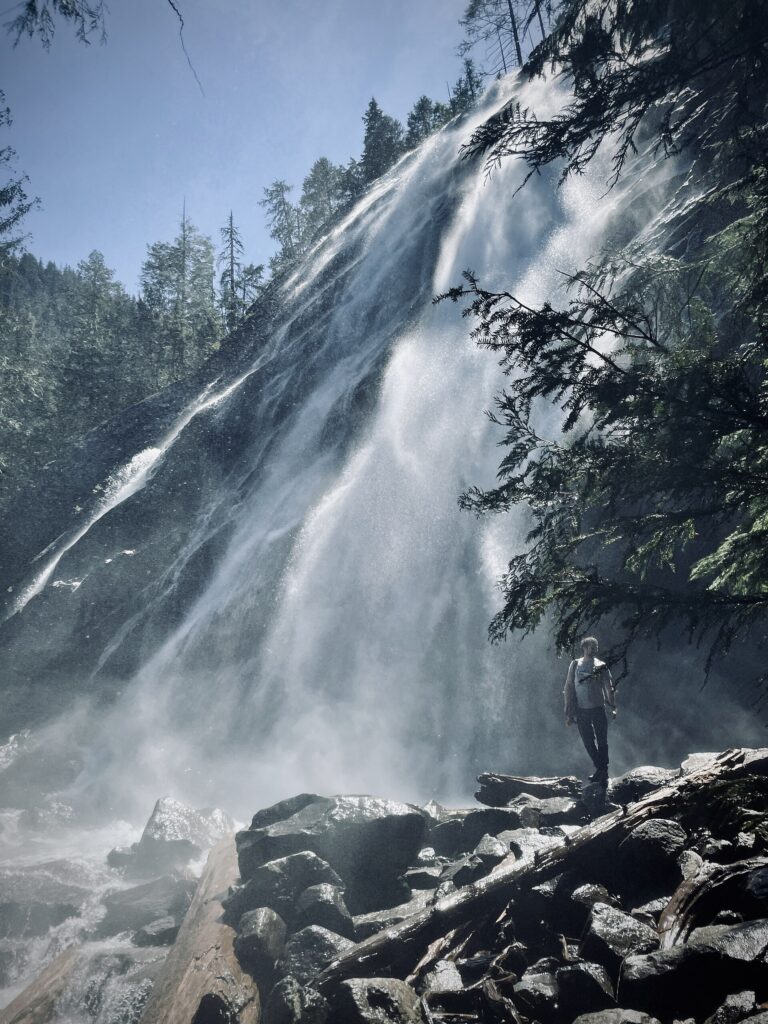
Tiered
Horsetail
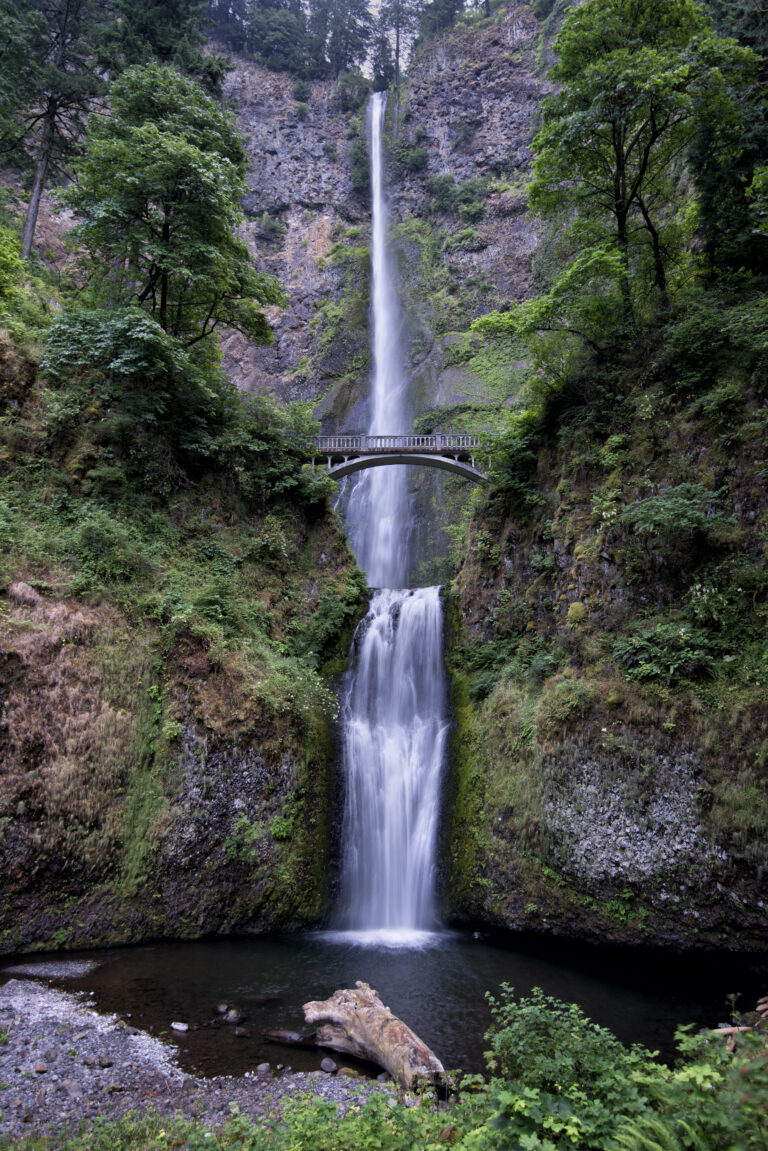
Plunge
Cascade

Block
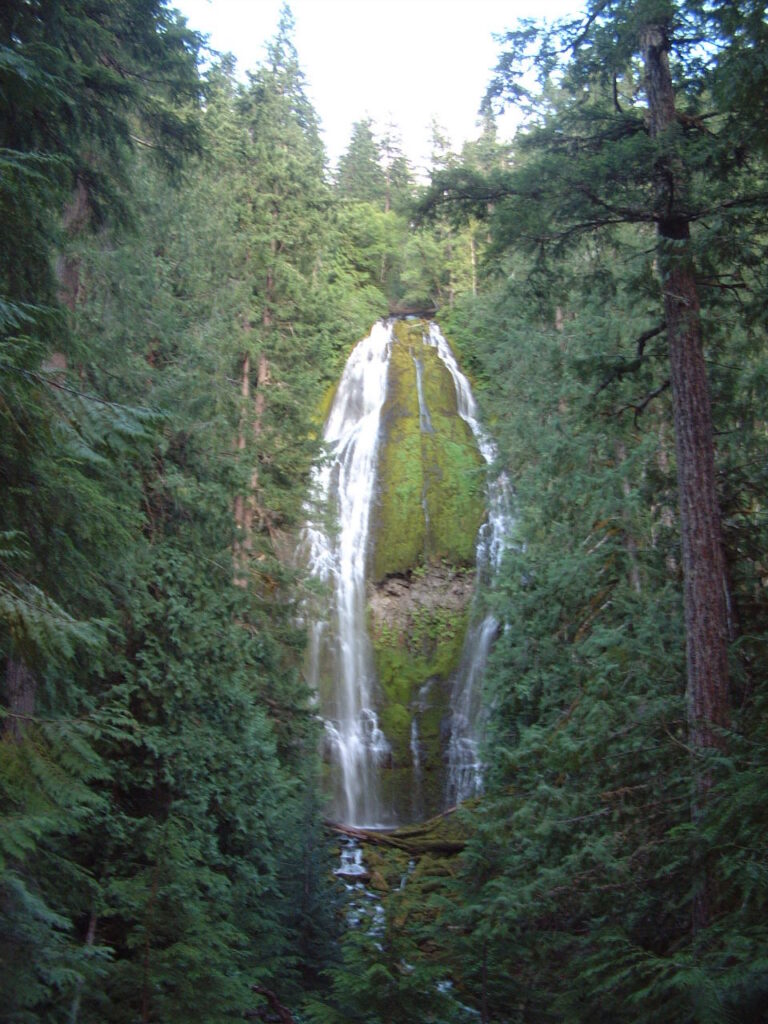
Segmented
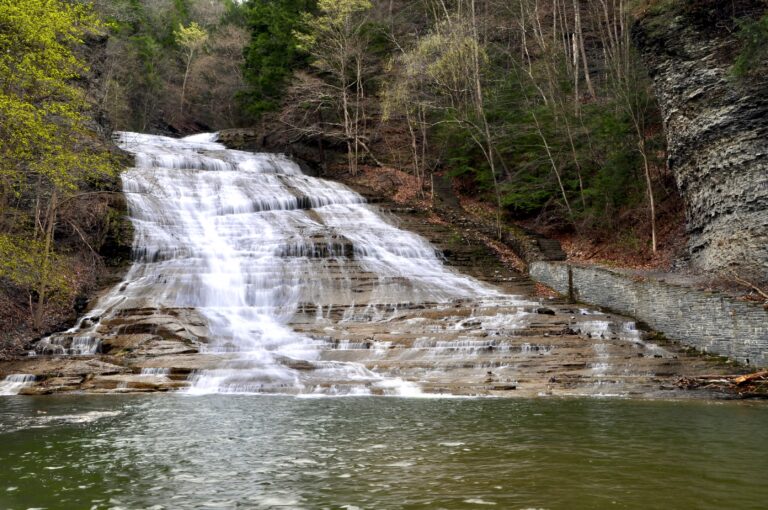
Slide
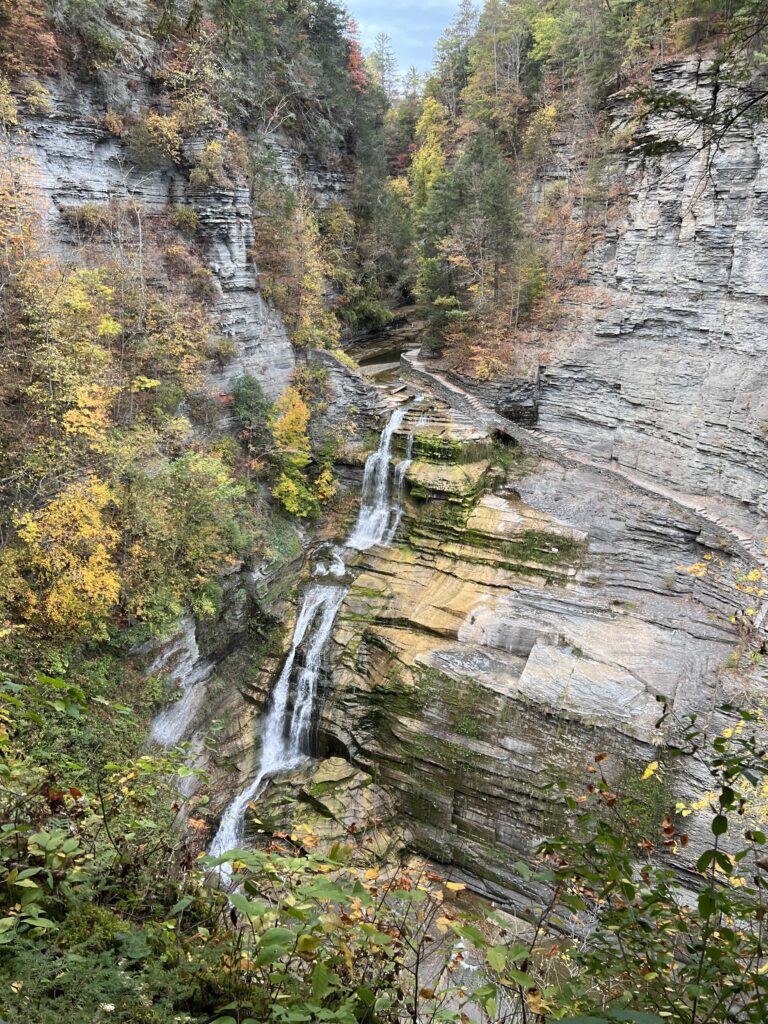
Veiling
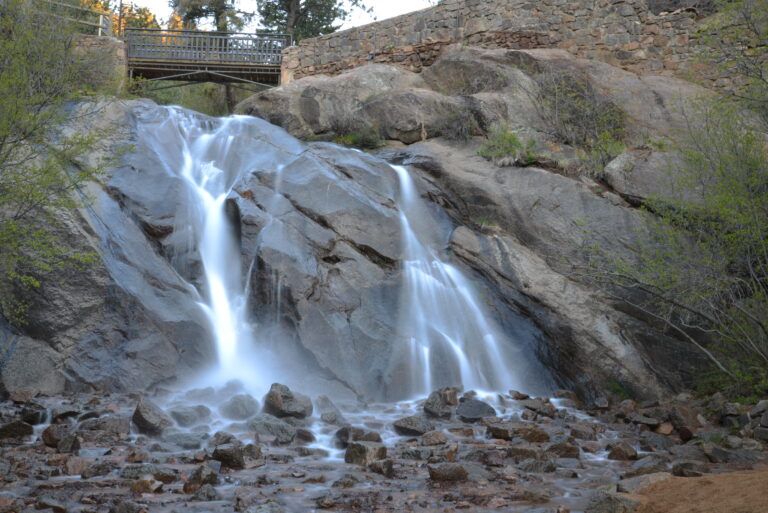
Fan

Dam
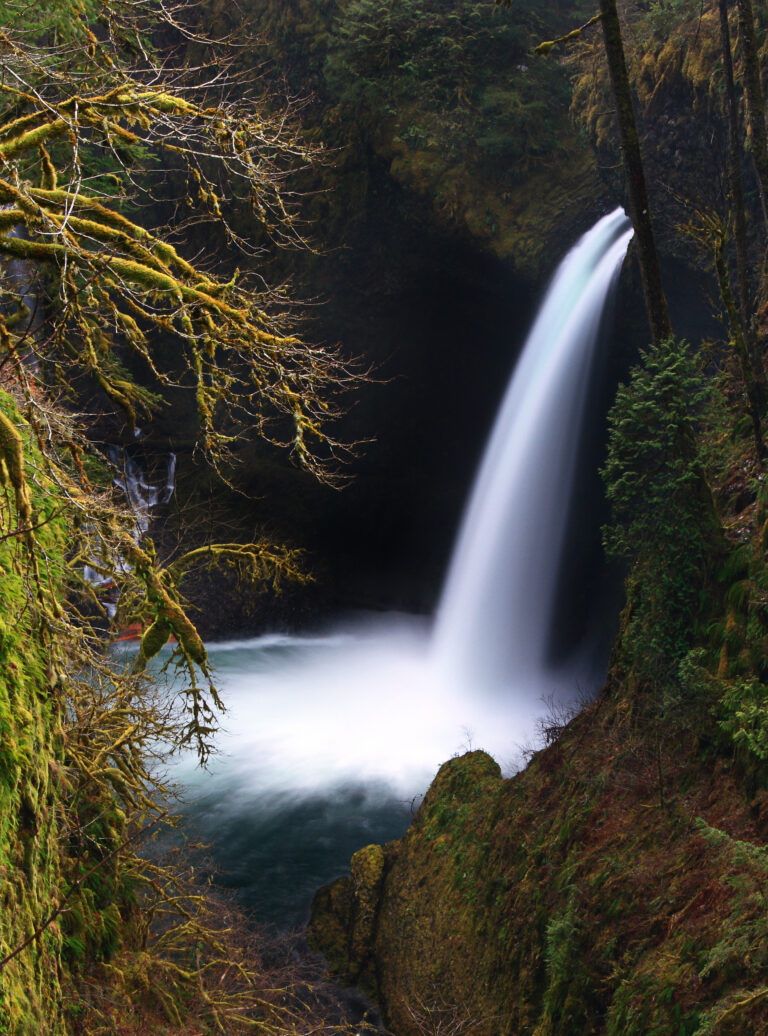
Punchbowl
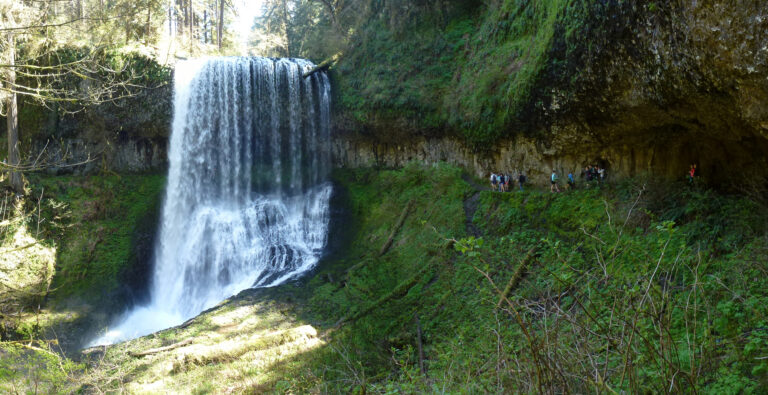
Curtain
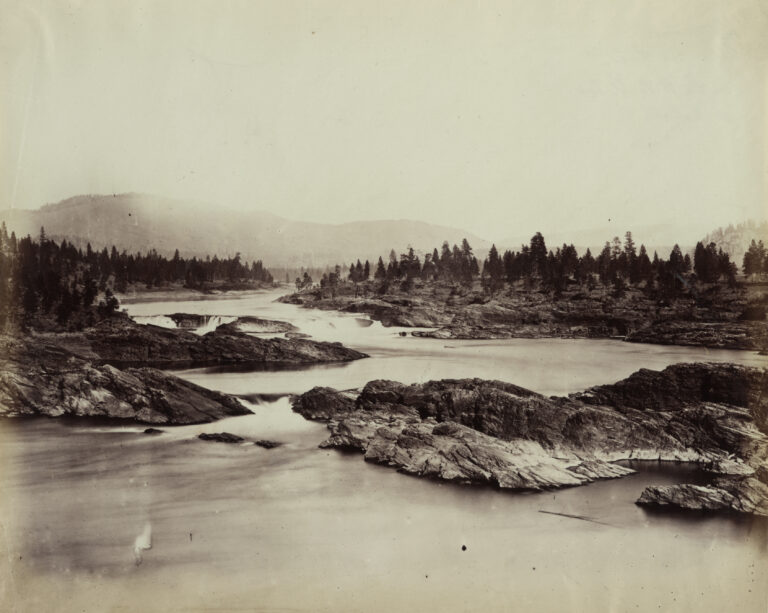
Historical
 No photo yet
Ephemeral
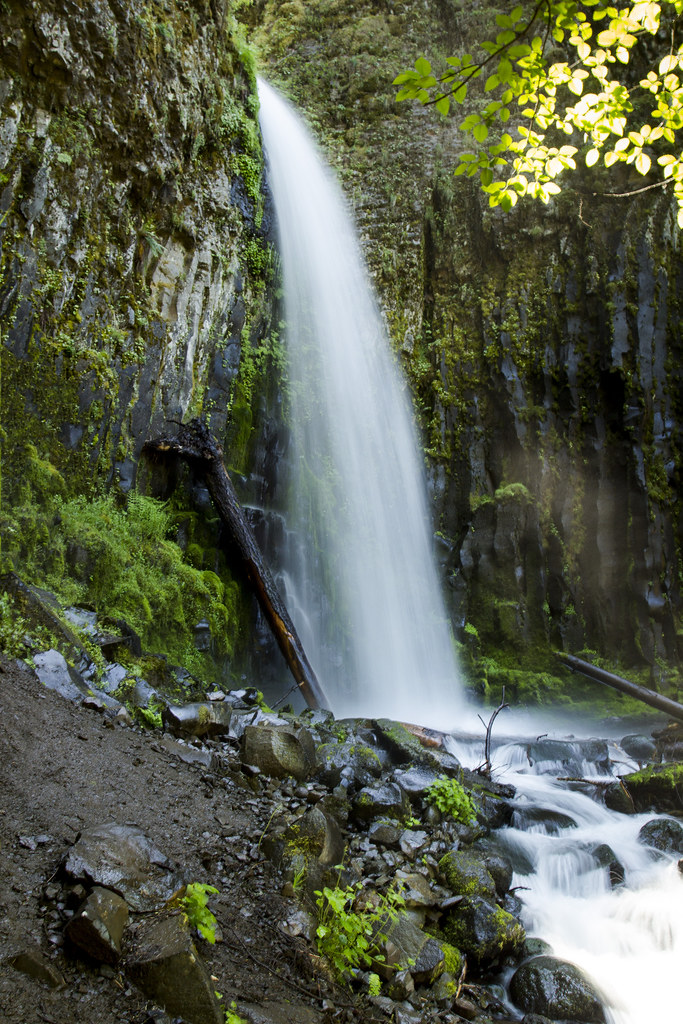
Without a recorded type
How a waterfall gets its type
The shape depends on three things: how steep the rock is, how hard it is, and how much water comes over it. A vertical, undercut ledge makes a plunge; a steep but unbroken face makes a horsetail; a slope of hard, smooth stone makes a slide; a stack of ledges makes a cascade or a tiered fall. Width of the river relative to its height separates a block from a curtain and a curtain from a plunge. Flow changes a fall’s look with the seasons, so a veiling fall in May and the same fall in September can seem like different types, and the label describes the fall at normal flow.
Questions people ask
- What is the most common type of waterfall?
- Tiered, with the most entries in the US catalogue, followed by horsetail and plunge. Plunges are the ones most people picture, but they need a hard cap rock over a softer layer, which is rarer than a steep slope.
- What is the difference between a cascade and a tiered waterfall?
- A tiered fall has separate drops with a pause between them, each a fall in its own right. A cascade is one continuous tumble over many small steps with no clear break.
- Is a rapid a type of waterfall?
- No. Rapids are fast water over a steep riverbed without a drop, and the survey lists them separately; this site keeps them in their own catalogue.